
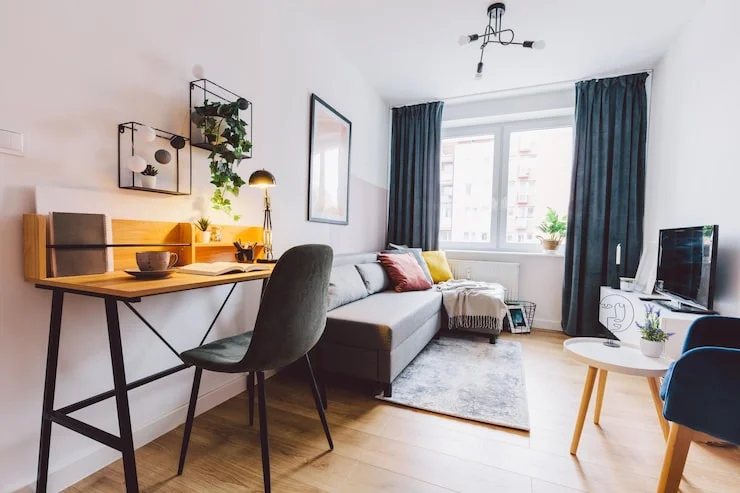
A small apartment living room asks a lot of you. It has to be a place to watch TV, a spot to sit with a friend, maybe a corner to read, and sometimes even a place to eat. When the room is tight, every choice matters more. A sofa that is too deep or a table that is too wide can turn a cozy space into a cramped one. But the opposite is also true. The right layout, the right furniture, and a few smart tricks can make a small living room feel open, useful, and genuinely comfortable.
This guide walks through the ideas that actually work in small apartments. It covers layout, furniture, light, storage, and the small details that make a room feel finished. None of it requires a big budget or a major renovation. What it requires is a clear plan and a willingness to be honest about what your space can hold.
Start With How You Actually Use the Room
Before you move a single piece of furniture, think about what you need the living room to do. Most small apartment living rooms serve more than one purpose. You might need a place to relax after work, a clear path to the kitchen, and a surface where you can set down a laptop on weekends. Bobby Berk, a designer who works with small spaces, suggests identifying the four main functions a living room might serve: conversation, television watching, reading or relaxing, and eating or working . Not every room needs all four, but knowing which ones matter to you will guide every decision that living room ideas for small apartments.
This step matters because it prevents you from copying a layout that looks good in a photo but fails in daily life. A room set up for conversation might not work if you mostly watch movies alone. A room with a large coffee table might feel generous until you realize you cannot walk past it without turning sideways. Write down the two or three things you do most in that room. Let those needs lead.
Read Also: How To Arrange Furniture In A Small Living Room
Get the Walking Paths Right First
The most common mistake in a small living room is pushing all the furniture against the walls to open up the middle. This instinct feels logical, but it often makes the room feel smaller because it creates dead space in the center and forces awkward distances. Instead, start with the paths people walk every day.
Designers recommend leaving at least thirty-six inches of clearance along the main routes through the room . That is the space you need to walk comfortably without brushing against a chair or a table. If a piece of furniture blocks a path, move it. A room that flows well immediately feels larger, even if the square footage has not changed. Sketch the paths on paper or use tape on the floor to test them before you commit.
Once the paths are clear, you can place seating around them. The goal is a room where you can move naturally from the door to the sofa, from the sofa to the window, and from the sofa to wherever the television lives.
Choose a Focal Point and Build Around It
Every room needs something that draws the eye and gives the arrangement a purpose. In some apartments, the focal point is built in: a fireplace, a large window, or an interesting architectural detail. In others, you have to create one. A piece of art, a media console, or even a statement lamp can serve this role .
The sofa should face the focal point. Chairs should angle toward it. The coffee table, if you have one, sits between the seating and the focal point. This simple rule keeps the room from feeling scattered. When everything in the room relates to one clear anchor, the space feels intentional rather than cluttered.
If your living room has no obvious focal point, do not panic. A single large piece of art on the main wall can do the job. So can a narrow console with a few well-chosen objects on top. The point is to give the eye somewhere to land.
Rethink the Sofa
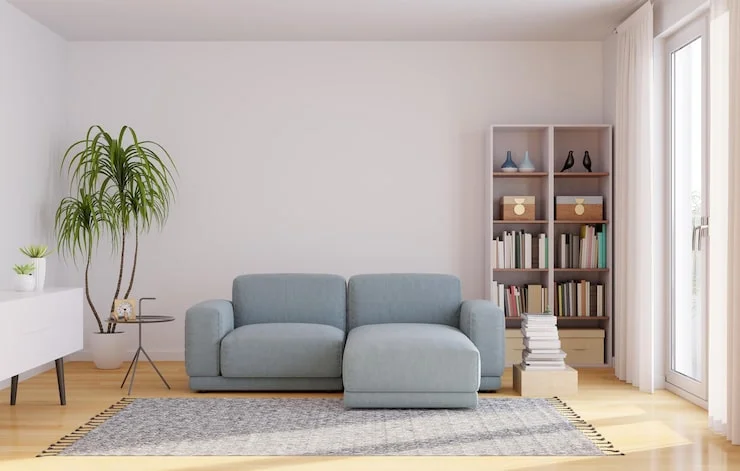
A deep, plush sectional is a wonderful thing in a large room. In a small apartment living room, it can swallow the space whole. Designers warn that an oversized sofa is one of the fastest ways to make a small room feel smaller . The better choice is a sofa that fits the room’s scale, with a low profile and thin legs if you want the room to feel airy.
You do not have to give up comfort. A loveseat or a smaller two-seat sofa can seat two people comfortably and leaves room for an accent chair. In very narrow rooms, some people skip the sofa entirely and use two comfortable chairs instead. This works especially well in studio apartments where the living area is a corner rather than a separate room .
If you love the idea of a sectional, look for one that is modular or scaled for small spaces. A sectional pushed into a corner can free up floor space in the middle of the room and define the seating area in an open plan apartment . Just measure carefully before you buy. A sofa that leaves you no room to walk is not a bargain at any price.
Make Every Piece Do More Than One Job
In a small room, furniture that only does one thing is a luxury you cannot afford. An ottoman that opens for storage can be a coffee table, a footrest, and extra seating when friends come over. A console behind the sofa can hold a lamp and books while also giving you a surface to set down a drink. A bench with a lift-up lid can hide blankets and serve as a seat by the window .
This does not mean every piece needs to be a transformer. It means choosing a few key pieces that work harder than average. A storage coffee table is one of the most useful investments in a small living room. So is a side table that can move wherever you need it. The goal is to reduce the number of separate objects in the room while keeping the room useful.
Go Vertical
When floor space runs out, look up. Walls in small apartments are often underused. Hanging curtains close to the ceiling rather than just above the window frame draws the eye upward and makes the room feel taller . A tall bookshelf or a wall-mounted shelf does the same thing while adding storage.
Floating shelves are a good option for renters because they add function without taking up floor space. A shelf above the sofa can hold books, small plants, and framed photos. A wall-mounted light beside a reading chair frees up the floor where a floor lamp would have stood . Even a mirror counts as a vertical move. A large mirror reflects light and makes the room feel deeper, and it does it without using an inch of floor.
Layer Your Lighting
One overhead light in the middle of the ceiling is rarely enough. It casts harsh shadows, makes the room feel flat, and leaves corners dark. Small rooms benefit from layered lighting: a mix of overhead light, a floor lamp, a table lamp, and maybe a wall sconce .
The goal is to have options. Bright light for cleaning or finding something. Softer light for relaxing in the evening. A small lamp on a side table can make a corner feel cozy in a way that a ceiling light never will. If floor space is tight, wall-mounted lights and rechargeable table lamps are good solutions because they do not need to sit on the floor or near an outlet .
Natural light matters too. Keep window treatments light and simple. Sheer curtains or blinds that pull fully back let daylight flood the room and make it feel more open . Heavy dark curtains block light and make a small room feel closed in.
You May Also Like: Storage Ideas For Small Spaces Bedroom
Use Color With Intention
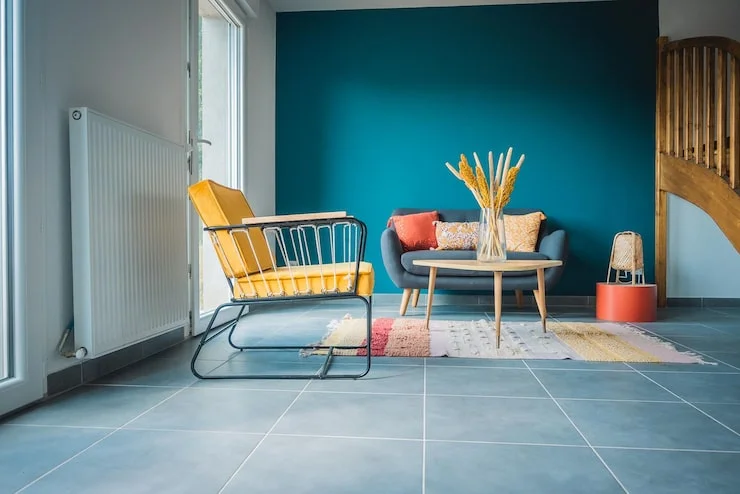
There is a common belief that small rooms must be painted white. White does reflect light and can make a room feel airy, but it is not the only option. Designers say that both dark and light colors can work in a small space if they are balanced with the right furniture and decor . What matters more than the specific color is living room ideas for small apartments.
A cohesive color scheme makes a room feel larger because the eye is not stopped by jarring contrasts. If you want a calm, open feeling, keep the walls and large furniture in related tones. Then add personality through smaller pieces: a bright cushion, a patterned rug, a piece of art. If you love bold color, you can paint one wall or a piece of furniture as a focal point rather than covering every surface .
The one thing to avoid is a room full of mismatched dark surfaces. Too many heavy, dark pieces can make a small room feel like it is closing in.
Hide the Clutter, Not the Personality
Clutter is the enemy of a small room. When every surface is covered with objects, the eye has nowhere to rest and the room feels chaotic. Storage is the solution, but it does not have to mean boring boxes. A storage ottoman, a console with closed doors, or a bench with a hidden compartment gives you a place to put things away without sacrificing style .
That said, a small room should not be completely bare. Personality comes from the things you choose to display. A few well-chosen books, a plant, a piece of art that you love. The key is editing. Choose a few things that matter and give them space. Rotate your decor if you get bored. A small room with a few meaningful objects feels warmer and more inviting than a room with nothing at all.
Consider a Room Divider
In a studio apartment, the living room might share space with the bedroom or the dining area. A room divider can help define the living area without building a wall. A shelving unit that is open on both sides works well because it provides storage on the living room side and the bedroom side at the same time . A curtain on a ceiling track can be pulled back during the day and closed at night. Even a tall plant can act as a soft boundary between one zone and another.
The goal is not to make the room feel smaller by chopping it up. It is to give each area a clear purpose so the whole apartment feels more organized. When you know where the living room ends and the sleeping area begins, both spaces feel more usable.
Test Before You Commit
Small rooms leave little margin for error. A piece of furniture that is two inches too wide can block a doorway or make a walkway impossible. Before you buy anything, measure the room and measure the piece. Then measure again. Use painter’s tape to mark the footprint of a sofa or table on the floor. Live with it for a day or two. You will quickly learn whether the piece fits the way you hoped.
This step is especially important for renters who cannot easily return a large item or patch holes in the wall. A little patience before the purchase saves a lot of frustration after.
Conclusion
A small apartment living room does not have to feel like a compromise. The rooms that work best are the ones where every piece has a purpose and every choice supports the way the room is used. Start with the paths people walk. Choose a focal point. Pick furniture that fits the scale of the room and does more than one job. Use the walls. Layer the light. Keep the clutter under control. And leave room for the things that make the space feel like yours.