
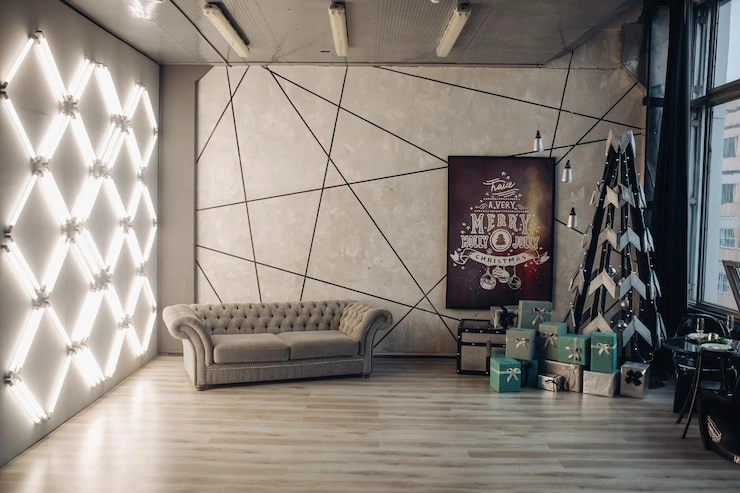
Picking the right tile for your living room wall can change the whole feel of your home. This guide covers tile types, style ideas, and practical tips to help you choose wall tile ideas for living room.
Why Tile Your Living Room Wall?
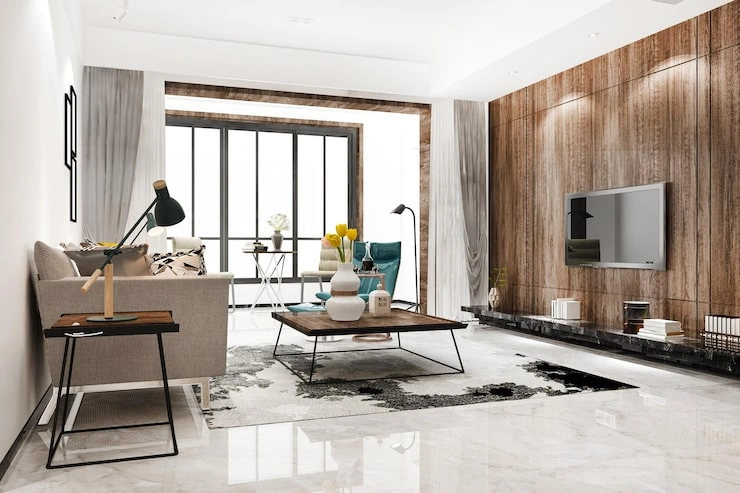
A tiled wall is different from painted drywall. It gives the room texture and a sense of quality. Tiles protect your walls from scuffs and marks that happen in a busy family room . They are also easy to clean.
I once worked with a family who had a white painted wall behind their sofa. It always looked dirty from kids leaning on it. We put up large matte tiles, and the problem was fixed. The room looked better, and cleaning was simple .
Read Also: Storage Ideas For Small Spaces Bedroom
Types of Tiles for Living Room Walls
Ceramic Tiles
Ceramic tiles are a common choice. They come in many colors and patterns. They are not too expensive and work well for most homes . You can find glossy or matte finishes. Glossy bounces light around the room. Matte feels softer and more modern.
Porcelain Tiles
Porcelain is harder and denser than ceramic. It resists water and stains. It is a good pick for a long-lasting wall . Porcelain tiles often come in big sizes. Big tiles mean fewer grout lines on your wall. This gives you a clean, smooth look .
Natural Stone
Stone tiles bring an earthy feel. Slate, travertine, and limestone are examples . They have natural color changes that make the wall look rich. Stone costs more than ceramic. It also needs sealing to stop stains. But the look of real stone is hard to copy .
Textured Panels
Textured tiles have patterns on the surface. They can be wavy or have a raised design. These tiles create shadows and depth . They are great for a small wall that needs some interest. The downside is that dust can get into the grooves. You have to clean them with care .
Wall Tile Ideas for Different Room Styles
The Accent Wall
Pick one wall and tile it. The wall behind the sofa or the TV works well. A patterned tile on that wall draws the eye. It becomes the focus of the room . This method costs less because you only tile one surface. I often use this trick for clients on a budget. It gives a big change without high expense .
The Feature Wall
This is a different idea. You tile the whole wall from floor to ceiling. This works in a room with high ceilings. Large slabs with few grout lines make the room feel bigger . It gives a high-end look. A client of mine did this with a soft gray stone-look tile. The room looked like a hotel suite. But it needs careful planning. You need a good installer for big, heavy tiles .
Half Wall with Paint
This is a smart idea. You tile the lower half of the wall. You paint the upper half. The tile protects the part of the wall that gets touched and scuffed. The paint keeps the room feeling soft and warm . This is a good choice for a family living room. You get the best of both materials. Choose a tile color that matches your paint shade for a smooth flow.
Tile Layouts and Grout
The Subway Pattern
Subway tiles are a classic shape. They are laid in a brick pattern. This look is clean and simple . You can use dark grout between the tiles. This makes the pattern stand out. Dark grout also hides dirt. Light grout gives a calmer, seamless look . Pick your grout color carefully. Test a small sample first. The grout color changes the final look a lot.
Large-Format Layout
Big tiles are 1200x600 mm or larger. They have very few grout lines. The wall looks smooth and continuous . This makes a small room feel more open. Large tiles are harder to install. The wall must be flat. If the wall is uneven, the tiles can crack. A professional installer is worth the cost for this job .
Geometric or Mosaic
Small mosaic tiles create a playful look. You can use them to make a pattern or a picture. They are good for a small focus wall . But they can feel busy. It is best to use them on only one wall. Keep the rest of the room simple so the wall does not feel crowded .
Practical Tips Before You Start
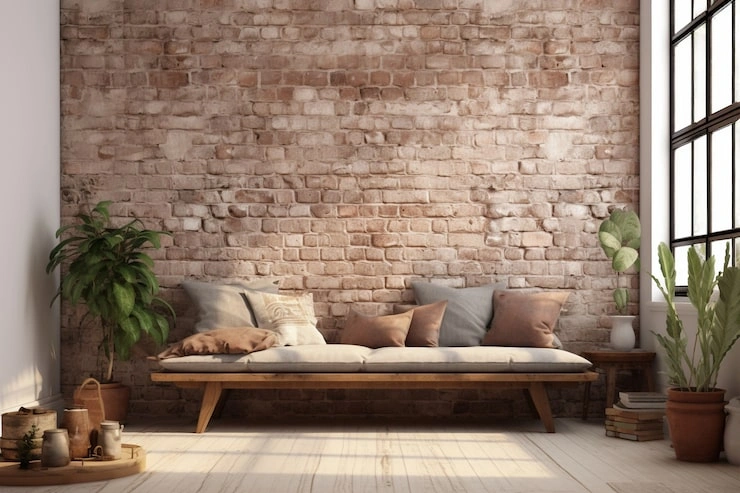
Buy Extra Tiles
Always buy 10% more tiles than you need. You will have cuts and mistakes. If a tile chips later, you have a spare. Tiles from the same batch have the same color. If you need one more in a year, the color may not match. Buy extra now and keep the box for repairs .
Check Lighting
Lighting changes the tile color. A tile in the shop looks different in your home. Take a full-size sample home. Look at it in the morning and at night. Look at it with your lights on and off. This saves you from making a costly mistake . I have seen clients choose tiles in a store, only to hate them when installed.
Think About the Installation
Some tiles need a pro to install. Heavy natural stone and big slabs are hard to cut . Textured tiles need careful alignment. Ceramic subway tiles are easier for DIY. Be honest about your skill level. A bad tiling job looks worse than a painted wall. Pay for good installation if you are not sure .
You May Also Like: Kitchen Pantry Organization Ideas For Small Spaces
Frequently Asked Questions
Can I tile over drywall?
Yes, often you can. You must use the right backer board or primer. Check your local building rules. Ask an installer about wall tile ideas for living room .
Do tiles make a living room feel cold?
Tiles can look cool. But you can fix this with room design. Add a rug on the floor. Use wood furniture. Put in warm lights. The tile will feel like a design feature, not a cold surface .
How do I maintain wall tiles?
Dust the tiles with a cloth. Wipe them down with water. Grout may need a seal every few years . Stone tiles need special cleaners. Do not use harsh acid on stone .
What is the best tile material for a living room?
Porcelain is durable. Ceramic gives you many choices. Stone gives a natural texture . Pick based on your budget and the look you want.
Conclusion
Wall tile changes a living room from plain to special. Think about the tile type and size that fits your space. Plan your layout and grout color with care. This guide gives you the key steps. Now you can choose the right tile for your home.