
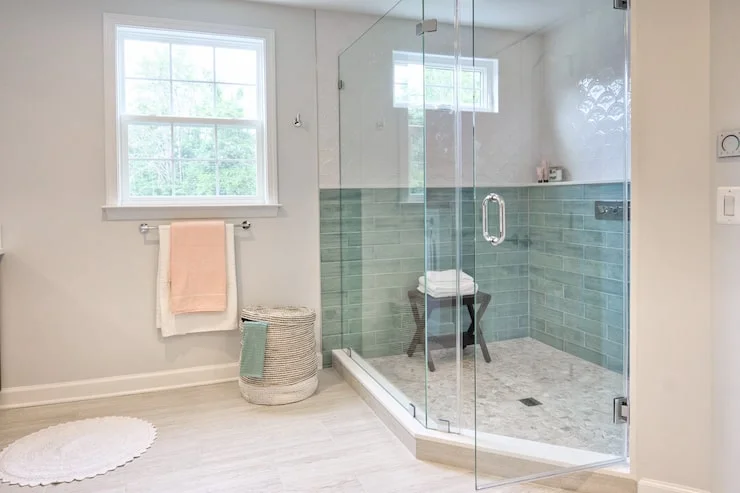
Most Indian bathrooms are small. Four by six feet is normal. Five by seven if you are lucky. And in that tiny box you have to fit a shower, a toilet, a basin, and somehow not feel like you are bathing inside a cupboard.
I have seen too many remodels go wrong because people copy Pinterest photos from American houses. Those bathrooms are twice the size. What looks good there looks terrible here. So let me tell you what actually small bathroom remodel ideas with shower.
First, Forget the Bathtub
If your bathroom is under 50 square feet, do not even think about a bathtub. I do not care how nice it looks in the catalogue. A bathtub in a small Indian bathroom is a waste of your best space. You will use it twice a year and curse it the rest of the time.
A shower gives you back that floor area. You can walk in, move around, and not bang your elbow on the wall. That alone makes the whole room feel bigger.
Where Should the Shower Go?
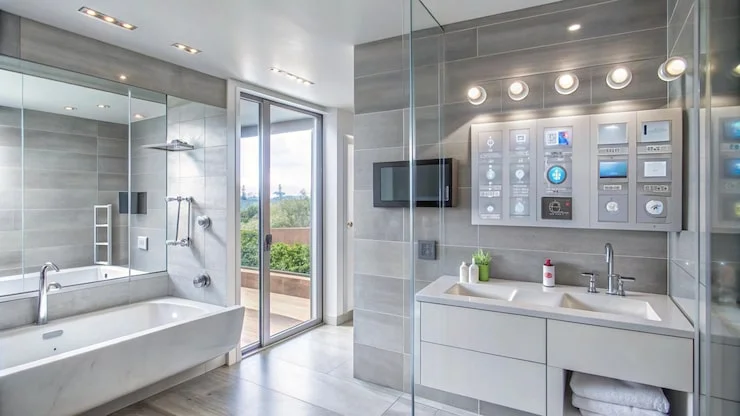
This is the first real decision. Get it wrong and everything else becomes a fight.
The corner is your best friend in a tiny bathroom. It uses space that would otherwise just sit there empty. A corner shower needs about 80 to 120 cm on each wall. Water hits two walls and stays contained. You only need glass on the open sides.
A walk-in shower with a glass panel is what most people want today. One fixed sheet of glass, no door. The glass stops water from flying across the room but still lets light through. That light matters. A dark corner feels like a cave. A glass panel keeps it bright.
The wet room style — where the whole bathroom is the shower — looks fantastic in photos. In real life it needs perfect waterproofing and a perfect slope. Miss either one and you have water sitting in the corner for days. I would only recommend this if your bathroom is at least 5 feet wide and you have a good contractor. Otherwise skip it.
A half wall is a cheaper option. Build a short wall about 3 to 4 feet high between the shower and the rest of the room. Tile it. Done. No glass to clean, no water spots to wipe. The top stays open so air moves and light comes in. Very practical for Indian homes.
Read Also: How To Prevent Black Mold In Bathroom
Now the Shower Fittings
Do not overspend here. But do not buy the cheapest either. Cheap fittings leak within a year and you will be breaking tiles to replace them.
A wall mixer with a hand shower is the sensible choice. You can hold it, hang it, angle it wherever you want. It works even when water pressure is low, which is a real problem in many Indian buildings. This is what I would put in my own bathroom.
A rainfall shower head looks premium. But here is the truth nobody tells you — it needs strong water pressure. In a building with a low-pressure supply, your rainfall shower will dribble. It also uses more water. And in a small bathroom, a big 12-inch head feels like it is pressing down on you. If you really want one, go for 6 or 8 inches, not 12.
Shower panels with body jets and all that — they look great in showrooms. At home, half the jets stop working in two years. And they are expensive. Buy one only if you have good pressure and you are willing to spend on a branded unit.
A thermostatic mixer is worth the extra money if you have kids or elderly parents. It keeps the water temperature steady. No sudden hot blast when someone opens a tap in the kitchen. That safety matters more than fancy looks.
Tiles: Pick Wisely, Not Fancily
This is where most people waste money.
For the floor, use matte porcelain. Matte has a slight texture. Wet feet grip better. Glossy floor tiles in a bathroom are dangerous, especially for older people. Matte also hides hard water marks better than glossy, which is a huge plus in cities like Chennai, Delhi and Hyderabad where the water is hard.
For walls, go big. Large tiles mean fewer grout lines. Fewer grout lines means less scrubbing. A 600 by 1200 mm tile covers a big patch with one piece. The wall looks cleaner and the room feels wider.
On colour — keep it light. White, cream, light grey, pale beige. Dark tiles shrink a small room. If you want drama, do one accent wall or a patterned strip inside the niche. Not the whole bathroom.
One more thing. If your area has hard water, get a nano coating on your glass panel. It costs about 10 to 15 percent more. But water slides off instead of leaving white spots. Worth every rupee.
Waterproofing Is Not Optional
I will say this plainly. If you skip waterproofing, you will regret it within two years. Maybe one year if you live on the ground floor.
Water seeps through the floor and walls. It damages the plaster. It stains the ceiling of the flat below yours. Then your neighbour is knocking on your door and you are breaking your entire bathroom to fix a leak you could have prevented for ten thousand rupees.
Here is how it works. A chemical layer covers the whole floor and goes up the walls about four feet. In the shower zone, add a membrane on top. The sunken slab — the space below floor level where pipes run — is the riskiest spot. Most leaks start at the floor-wall joint and small bathroom remodel ideas with shower.
Do the flood test. Fill the floor with water. Leave it 24 to 48 hours. Watch for the level dropping or damp patches appearing below. Do this before laying any tile. Once tiles are on, fixing a leak means ripping everything out.
Waterproofing costs roughly ₹40 to ₹120 per square foot. For a 40 square foot bathroom, that is ₹5,000 to ₹10,000. Compare that to ₹50,000 or more to repair water damage later. Easy choice.
Storage: Plan It Before You Tile
Small bathrooms get messy fast. Not because people are lazy. Because there is nowhere to put anything.
A recessed niche inside the shower wall is the single best storage idea. It is a shelf built into the wall. Shampoo, soap, conditioner — all sit there without touching the floor. It costs very little if you plan it before tiling. After tiling, it is impossible. So decide now.
Place it at chest height. Easy to reach. Slope the base slightly so water runs out.
A mirrored cabinet over the basin does double duty. Storage plus a mirror that bounces light around. Both help in a small room.
A floating vanity — mounted on the wall, nothing touching the floor — makes the room feel bigger. And you can actually sweep under it. Choose drawers over doors. You pull a drawer and see everything. With a door you have to bend and dig around, which is awkward in tight space.
A wall-mounted toilet frees up floor space and is far easier to clean. No base sitting on the floor collecting grime. The cost is higher because you need a frame inside the wall. But in a small bathroom, it is worth considering.
Lighting and Air
Two things people forget. Both matter more than the tiles you choose.
Light the mirror on both sides. Not just above. Above-only lighting puts shadows on your face. Two vertical lights at face level fix that. Use warm white LEDs, around 3000K. Cool white makes a bathroom feel like a hospital.
Put a small light inside the shower. A waterproof LED strip in the niche, or a recessed spotlight in the ceiling above. It helps you see, and it looks far more expensive than it costs.
Install a good exhaust fan. This is not optional in India. Without it, steam sits in the room. Mould grows on the ceiling and in the corners. The room smells damp forever. Run the fan during your shower and for ten minutes after. Get one with a backdraft damper so outside air and smells do not come back in.
What It Actually Costs?
Numbers, not guesses.
A full renovation of a 6 by 4 foot bathroom in Mumbai runs about ₹1,68,000 to ₹2,16,000. That covers demolition, plastering, plumbing, waterproofing, tiling, sanitaryware, fittings, electrical and debris removal.
In Bangalore, a 60 square foot bathroom, mid-range materials, comes to roughly ₹2,38,000 including GST.
Tiling alone for a 5 by 7 bathroom breaks down like this:
-
Tiles: ₹18,000 to ₹40,000
-
Labour: ₹12,000 to ₹24,000
-
Adhesive and grout: ₹4,000 to ₹8,000
-
Waterproofing: ₹4,000 to ₹10,000
-
Demolition and misc: ₹3,000 to ₹8,000
Where to save? Wall tiles outside the shower zone. Use ceramic there instead of porcelain. Where to spend? Waterproofing, plumbing, and good fittings. These are hidden or hard to reach. Cutting corners here costs you later.
You May Also Like: Filler Between Bathroom Tiles NYT: Enhancing Your Bathroom Tiles
Mistakes I See Again and Again
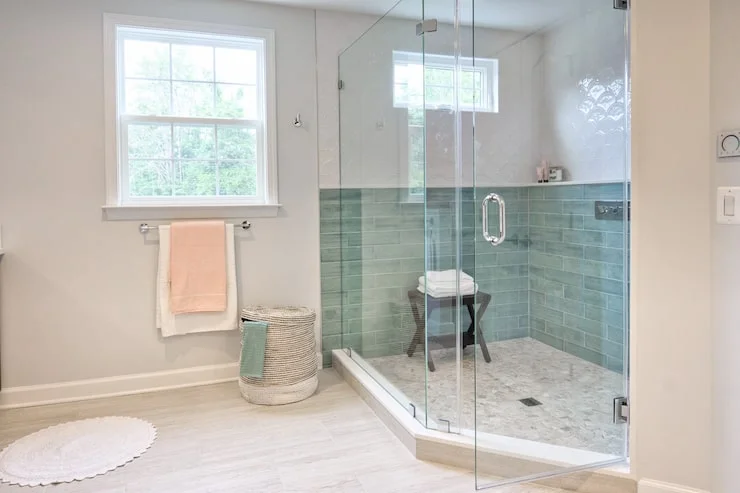
Buying tiles before planning the layout. People fall in love with a tile, then discover the shower will not fit where they wanted. Plan first. Shop second.
Too many patterns. A small bathroom with three different tile designs feels like a kaleidoscope. Pick one accent. Keep the rest plain.
No ventilation. Covered above. But it is the most common mistake, so it is worth repeating.
Skipping the slope test. After tiling, pour a bucket of water on the shower floor. Watch where it goes. If it pools in a corner, the slope is wrong. Fix it before the adhesive fully cures. After that, it means breaking tiles.
Buying matte black or gold fittings. They look stunning in the showroom. Then hard water leaves white spots on them every single day. Chrome and brushed steel hide spots far better. If you must have black, be ready to wipe it daily.
A Few Small Things That Help
- A shower bench built into the wall gives elderly parents a place to sit. Also handy for resting your foot while shaving. Make it from the same tile as the floor.
- A linear drain at one edge of the shower drains faster than a centre drain and looks cleaner with large tiles.
- A handheld bidet spray is standard in Indian bathrooms. Buy one with a good hose. Cheap hoses crack and leak within months.
Final Thoughts
You do not need a big bathroom. You need a plan.
Decide the layout before anything else. Pick a corner shower or a walk-in with one glass panel. Use matte porcelain on the floor and large light tiles on the walls. Waterproof properly and do the flood test. Build a niche before you tile. Light the mirror from both sides. Put in a good exhaust fan.